
Oil Giants Pledge Even Deeper Spending Cuts Amid Prolonged Slump
(Bloomberg) Some of the biggest oil explorers in the Western Hemisphere are cutting budgets yet again to conserve cash as a plunge in energy markets shows no signs of abating.
(Bloomberg) Some of the biggest oil explorers in the Western Hemisphere are cutting budgets yet again to conserve cash as a plunge in energy markets shows no signs of abating.
(Bloomberg) In an instant, Chesapeake Energy Corp. will erase the equivalent of 1.1 billion barrels of oil from its books.
Across the American shale patch, companies are being forced to square their reported oil reserves with hard economic reality. After lobbying for rules that let them claim their vast underground potential at the start of the boom, they must now acknowledge what their investors already know: many prospective wells would lose money with oil hovering below $40 a barrel.
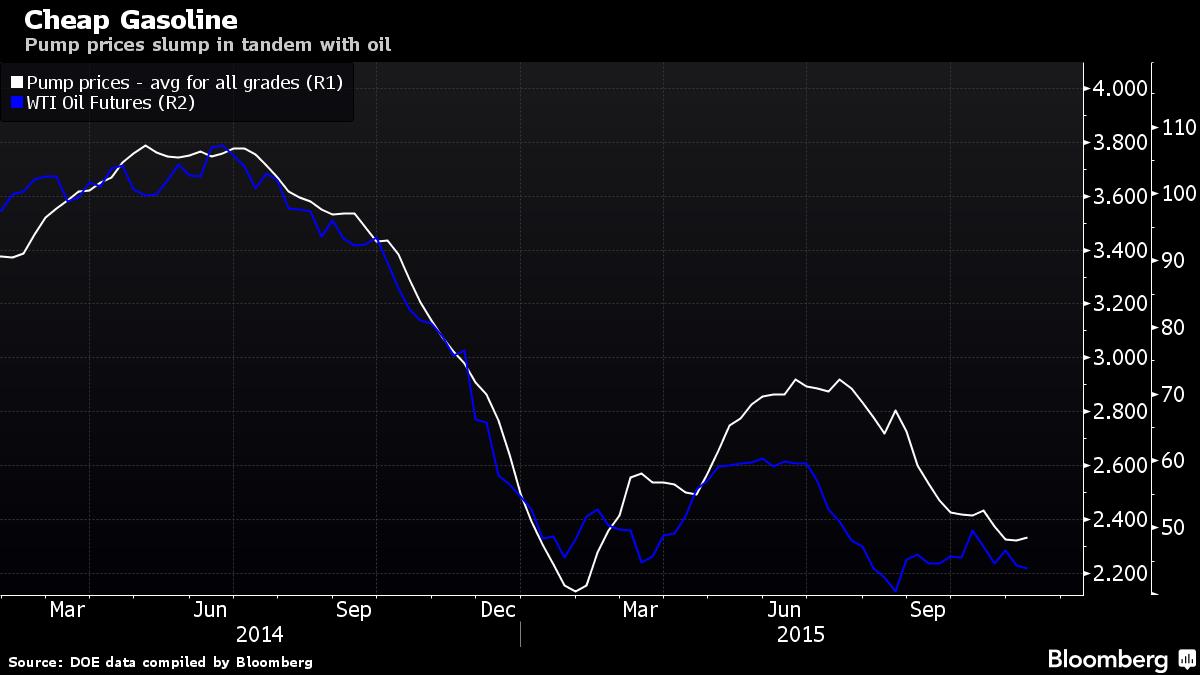
(Bloomberg) The Energy Information Administration cut its U.S. crude production outlook for next year as declining prices are prompting shale drillers to put rigs aside. Cheaper gasoline is expected to stoke demand for the motor fuel.
(Bloomberg) Saudi Arabia can’t afford to wait for oil prices to recover and needs to accelerate economic measures to avoid rising unemployment, deficits and debt, McKinsey & Co. Inc. said in a report released Thursday.
(Wall Street Journal) This was supposed to be the year oil prices turned around.
Ten banks surveyed by The Wall Street Journal in March predicted that U.S. crude would average $50 a barrel or better in the fourth quarter. December 2015 futures contracts were selling for $63.82 a year ago.
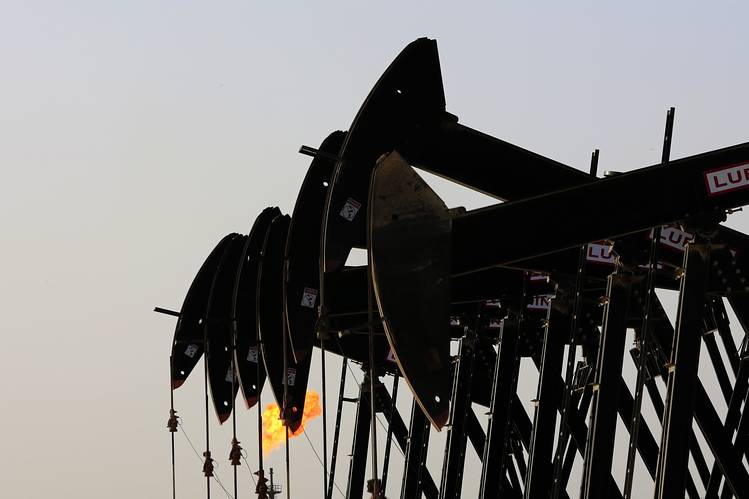
(Wall Street Journal) The fall of crude prices to six-year lows in recent weeks has pummeled oil-producing countries from Venezuela to Iraq, threatening their ability to keep pumping petroleum and forcing governments to take painful measures to shore up national budgets.
(Bloomberg) Reduced spending by oil explorers will lead to a global shortage of crude within the next few years, according to industry consultant Rystad Energy.
While the world’s exploration and production companies need to replace 34 billion barrels of oil every year to meet consumption needs, the companies made investment decisions that will result in only about 8 billion barrels in 2015, Rystad said in a report released Wednesday.
(CNBC) Oil prices pared some of their losses on Wednesday after falling to near seven-year lows earlier in the week, but those hoping for a rebound next year may be disappointed.
Fatih Birol, the executive director of the International Energy Agency (IEA), told CNBC that crude prices could continue to fall in 2016, presenting a challenge to governments that are trying to encourage the use of relatively expensive sustainable energy.
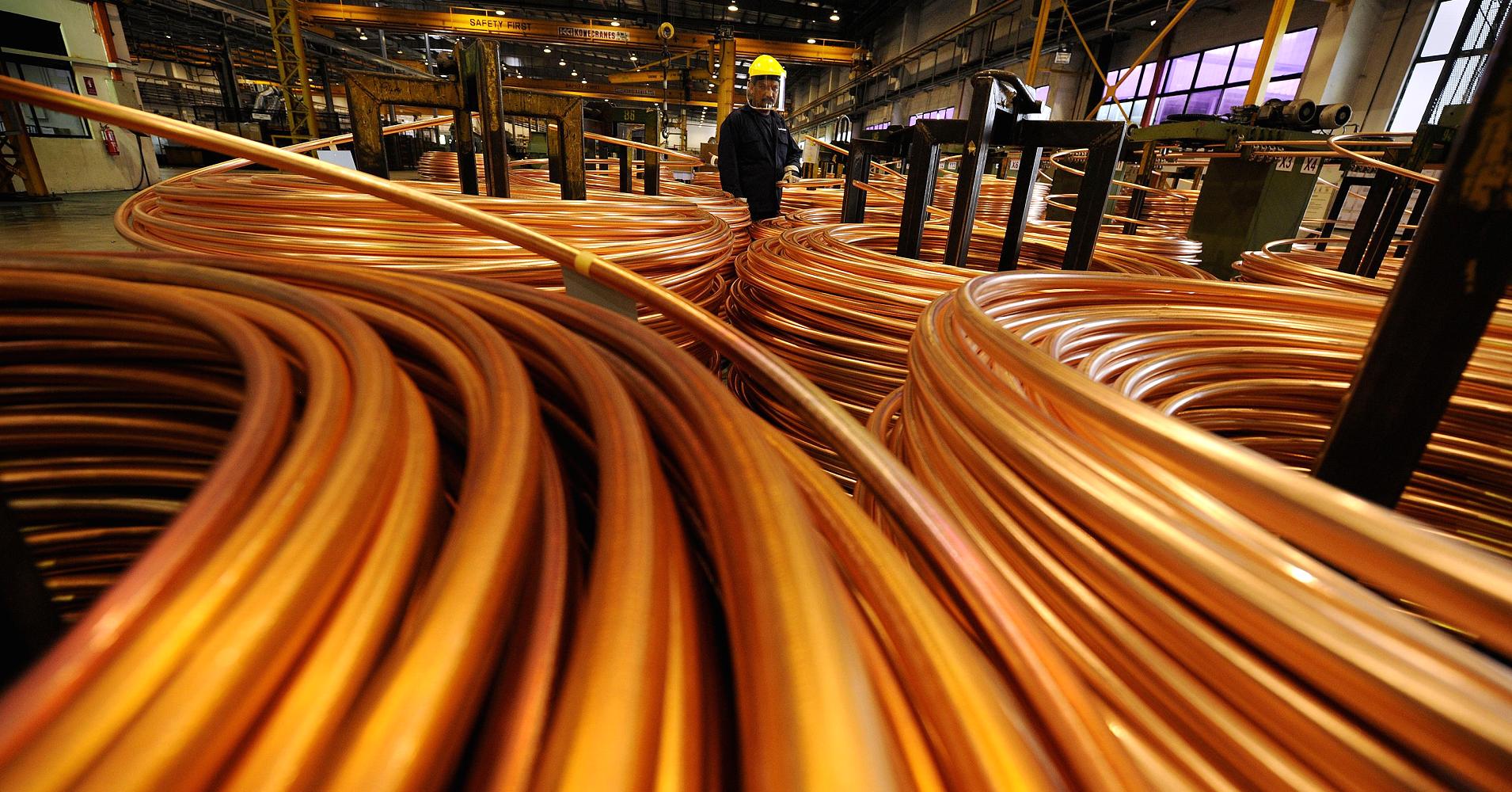
(CNBC) The collapse of the housing bubble sent the world spiraling into recession. The collapse of the energy and commodity bubble threatens to be just as damaging. That few are willing to even use the term “bubble” with regard to the boom and bust in the price of oil, copper, iron ore, and other materials tells how early we still are in the painful unwind phase.
(Peak Oil Barrel) The EIA’s Drilling Productivity Report has US shale oil on a steep decline. The below shale oil production charts are the EIA’s estimate of what shale production will look like through January 2016. Keep in mind this is the EIA’s estimate and not hard production numbers.