OPEC Dying of Self-Inflicted Wounds

(Bloomberg) OPEC’s meetings in Vienna have for decades offered a heady mix of wealth, power and intrigue. The latest one may feel more like a wake.

The closest OPEC came to operating like a true oil cartel was in the early 1970s. Back then, it controlled more than half the world’s oil supply and was more or less aligned in trying to manage pricing and, for many members, throwing off the remnants of colonialism.
Posted On :

Returning To Market Balance: How High Must Prices Be To Save The Oil Industry?

(artberman.com) The global oil market is returning to balance based on the latest data from the EIA. That should mean higher oil prices but how high must prices be to save the industry?

Data suggests that oil producers need prices in the $70-80 range to survive. That is unlikely in the next year or so. Without more timely price relief, the future looks grim for an industry on life support.

Posted On :
A former Opec insider tells how global oil pricing got flipped on its head

Former OPEC insider tells how global oil pricing got flipped on its head

(The National) From 2004 to 2008 and 2010 to 2014, oil production and prices both rose. The price increases were completely divorced from the market principle of a supply-demand balance. In the middle of 2014, the price momentum ran out of steam and prices began sinking in a bog of unconsumed, overproduced, expensive new oil.

That market disorder should have been a reason for concern. Unfortunately, greed suppressed the voices that raised the alarm and warned of the long-term dangers of short-term gains.

Posted On :

US Shale Oil Production Costs Fell by 30% from Decade High

(EconomicCalendar.com) Costs associated with shale oil exploration and production decreased by a third in 2015 thanks to implementation of more effective technologies. Experts are certain that this could affect crude oil prices in the short term.

Costs beared by US shale producers shrunk by 25-30% last year in comparison to their decade high in 2012. This is attributed to the usage of advanced technology that improved the effectiveness of both well drilling and post-drilling well development, according to research conducted by the energy industry consultant IHS Global Inc. and commissioned by the Energy Information Administration (EIA).

Posted On :

Why rigs deactivation doesn’t matter much?

(Econotimes) According to latest numbers from Baker Hughes, number of active oil rigs operating in United States has dropped to lowest levels since 2008/09 financial crisis. While back in October, 2014, the number of active rigs were at 1609 but as of last week it declined further by 15 rigs to 372, lowest since November, 2009.

In recent times, some market participants have taken note of the rig count to increase bullish bets on oil price recovery, suggesting drop in number of rigs indicating further declining in investments. However, our analysis suggests, when it comes to oil price recovery by changing fundamentals, other than intraday or few days boost, rigs count doesn’t matter much.

Posted On :

IMF: Oil Prices And The Global Economy – It’s Complicated

(Seeking Alpha) By Maurice Obstfeld, economic counsellor and director of research at the International Monetary Fund; Gian Maria Milesi-Ferretti, deputy director in the Research Department of the International Monetary Fund; and Rabah Arezki, chief of the Commodities Unit in the IMF Research Department

Oil prices have been persistently low for well over a year and a half now, but as the April 2016 World Economic Outlook will document, the widely anticipated ” shot in the arm ” for the global economy has yet to materialize.

Posted On :

Why North-American Oil Is Positioned To Win In The Long-Run

(oilprice.com) Did U.S. investors complete the U.S. E&P’s revolutionary transformation of the global oil market at the end of February?

Very possibly, yes. At a time when oil companies large, medium, and small were cutting more from 2016 capex budgets, Americans were expressing their confidence in the U.S. E&P’s sector’s future, pouring $9.2 billion in new equity into the beleaguered sector.

Posted On :

In Shift, Obama Won’t Open Southeast Atlantic Coast to Drilling

(NY Times) When the Obama administration unveiled a proposal in January 2015 to open the southeastern Atlantic coast to oil and gas drilling for the first time, environmental advocates were shocked and enraged — and the oil industry was delighted.

The emotions were the same, just on opposite sides of the energy-environmental divide, when the Interior Department announced Tuesday that the administration was yanking Atlantic drilling off the table. And almost everyone was shocked.

Posted On :

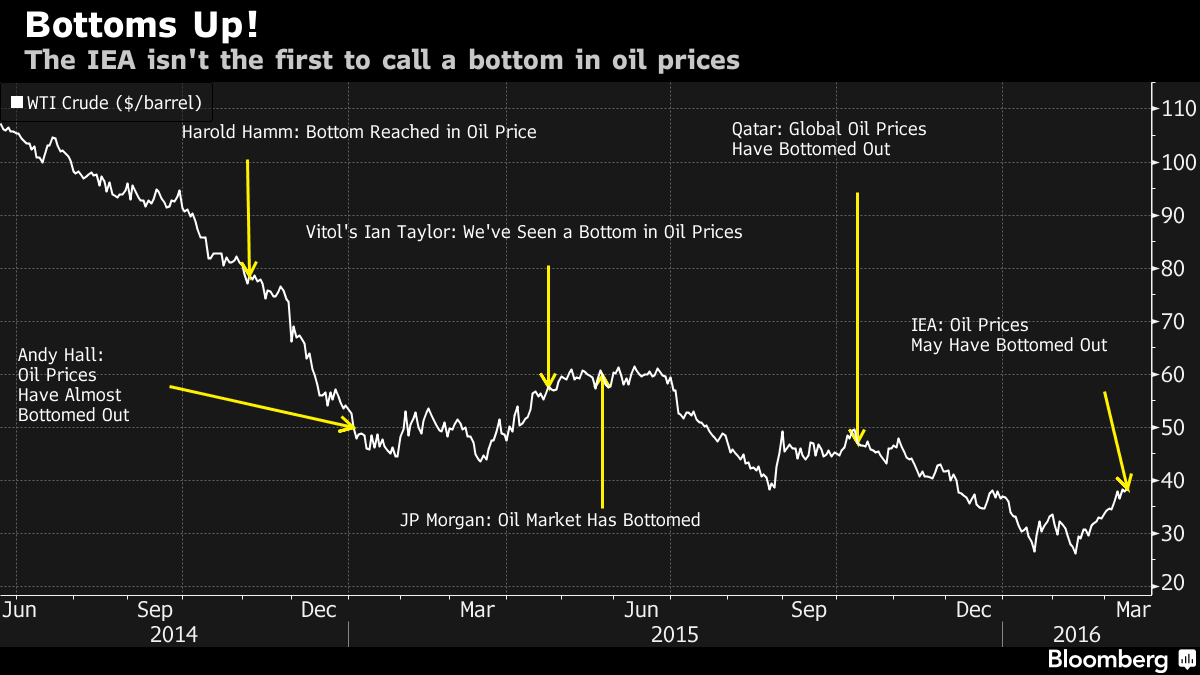
A Short History of Unsuccessfully Calling a Bottom in Oil: Chart

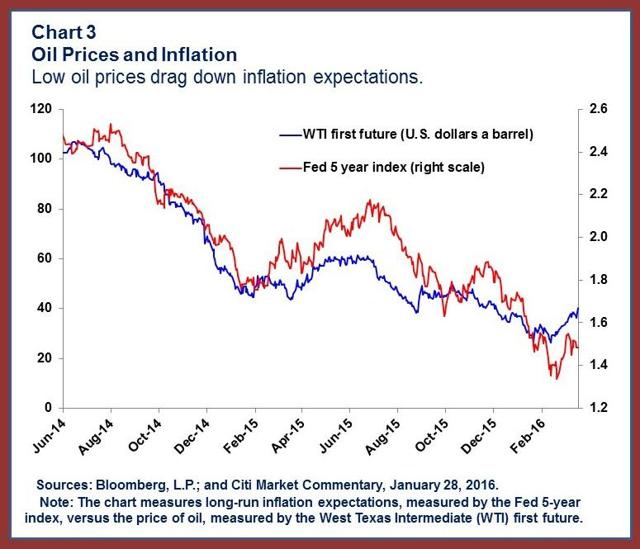
(Bloomberg) The upturn in U.S. core inflation and rise in oil prices are causing money to pour into a trade that was one of Wall Street’s favorites heading into 2016, according to Société Générale SA.

Late in 2015, strategists at Goldman Sachs Group Inc., JPMorgan Chase & Co., and Morgan Stanley—to name a few—were pounding the table on Treasury inflation-protected securities, based on the belief that market-based measures of price pressures over the medium term were far too subdued.

Posted On :