What Hubbert Got Really Wrong About Oil

(Forbes) If you happen to be someone who is interested in the topic of “peak oil”, you know the name M. King Hubbert.

The history of the scientific study of peak oil dates to the 1950s, when Hubbert, a Shell geophysicist, reported on studies he had undertaken regarding the production rates of oil and gas fields.

Posted On :

Is the Oil Industry Dying?

(psmag.com) Talking about “peak oil” can feel very last decade. In fact, the question is still current. Petroleum markets are so glutted and prices are so low that most industry commenters think any worry about future oil supplies is pointless. The glut and price dip, however, are hardly indications of a healthy industry; instead, they are symptoms of an increasing inability to match production cost, supply, and demand in a way that’s profitable for producers but affordable for society. Is this what peak oil looks like?

Posted On :

The Death of OPEC

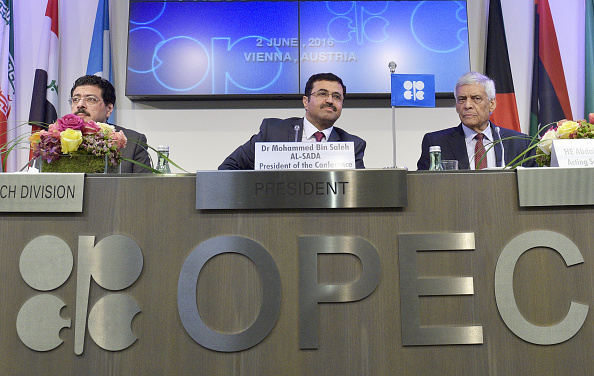
(Project Syndicate) The Organization of the Petroleum Exporting Countries is dead. Saudi Arabia killed it. Now, OPEC is just a toothless zombie, attracting attention, but without having any impact on the living.

Few have noticed OPEC’s demise for a simple reason: it never really had the impact that it was widely perceived to have. It was never actually a cartel, possessing monopolistic market power. Anyone who thought otherwise was mistakenly attributing to it Saudi Arabia’s market power.

Posted On :

No One Knows How Much Oil Is Being Stored Around the World

(technologyreview.com) Peak oil, if it even exists , is very much a moving target . But so, it turns out, is measuring how much oil is already above ground, sitting in the holds of ships and in storage facilities around the world.

It’s not that humanity is fundamentally incapable of measuring how much oil we are extracting—it’s that many countries don’t report their inventories.

Posted On :

Saudi Arabia Offers Hope For An Oil Price Rally

(oilprice.com) Crude oil prices hit a 10-week low on Tuesday, but one piece of data from Saudi Arabia could provide a glimmer of hope for those longing for an oil price rally. Saudi Arabia is burning through some of its oil inventories as exports combined with scorching domestic demand exceed its total production. In 2015, Saudi Arabia built up crude storage levels to a record high, as the kingdom stepped up production in the face of a global supply surplus.

Posted On :
Shell Rig

Why Oil Prices Might Not Rebound Until 2019

(oilprice.com) It’s a safe bet that investors are getting increasingly tired of all the conflicting forecasts about oil and gas prices. Some argue that oil is heading back to $20 thanks to the continuing excess supply. Others claim that the excess is overestimated and crude is well on its way to reach $80 or more by the end of the year. The likely truth, as usual, is somewhere in the middle, at least for the time being.

Posted On :

« Oil Prices Lower Forever? Hard Times In A Failing Global Economy

(artberman.com) Two years into the global oil-price collapse, it seems unlikely that prices will return to sustained levels above $70 per barrel any time soon or perhaps, ever. That is because the global economy is exhausted.

The current oil-price rally is over as I predicted several months ago and prices are heading toward $40 per barrel.

Oil has been re-valued to affordable levels based on the real value of money. The market now accepts the erroneous producer claims of profitability below the cost of production and has adjusted expectations accordingly. Be careful of what you ask for.

Meanwhile, a global uprising is unfolding.

Posted On :

Future shale production will hinge on technology, EIA says

(fuelfix.com) HOUSTON – After the energy bust, the future of U.S. shale oil will depend greatly on how quickly drilling technology can evolve over the next 25 years, the Energy Information Administration says.

Rapid technological change and high energy prices could help domestic drillers push shale oil production to 12.9 million barrels a day by 2040, up from last year’s 4.9 million barrels a day, the EIA said Monday in an early look at some of its long-term projections due in a report later this month.

Posted On :

Rig Count Matters: Separating The Signal From The Noise in Oil Market Opinion

(artberman.com) Rig count matters. Saying that it doesn’t is like a realtor saying that location doesn’t matter.

Rigs Don’t Produce Oil

The holiest mystery of shale plays is that so much production is possible with ever-fewer rigs.

But if we look at the number of producing wells, the mystery evaporates. That’s because rigs don’t produce oil and gas. Wells do.

Horizontal wells in a few tight oil plays tell most of the story for U.S. production. Figure 1 shows the rig count and number of producing wells for the Bakken, Eagle Ford, Permian, Niobrara, Mississippi Lime and Granite Wash plays. Figure 1. Tight oil horizontal rig count and number of producing wells. Source: Baker Hughes and Labyrinth Consulting Services, Inc. Although rig counts decreased dramatically beginning in late 2014, the number of producing wells continued to increase until very recently. This may be a technical triumph for the drilling industry but it is no cause for oil producers to celebrate.

Posted On :